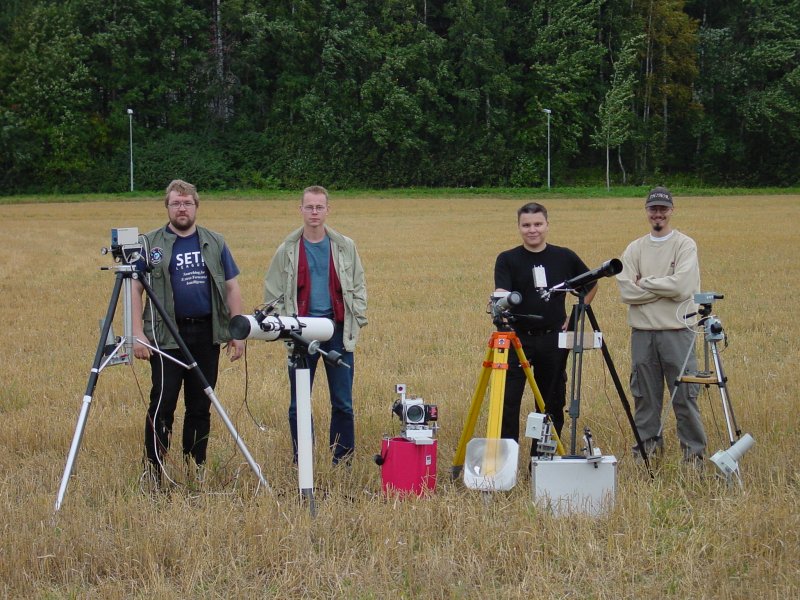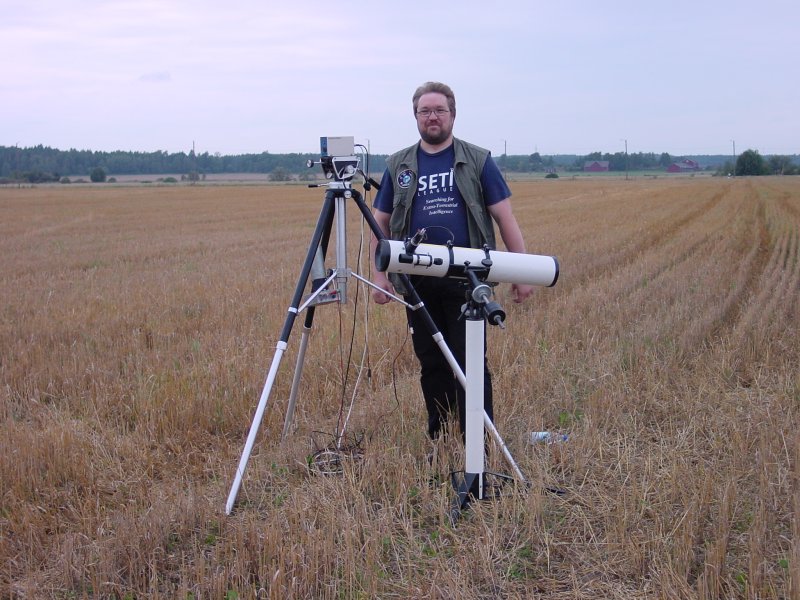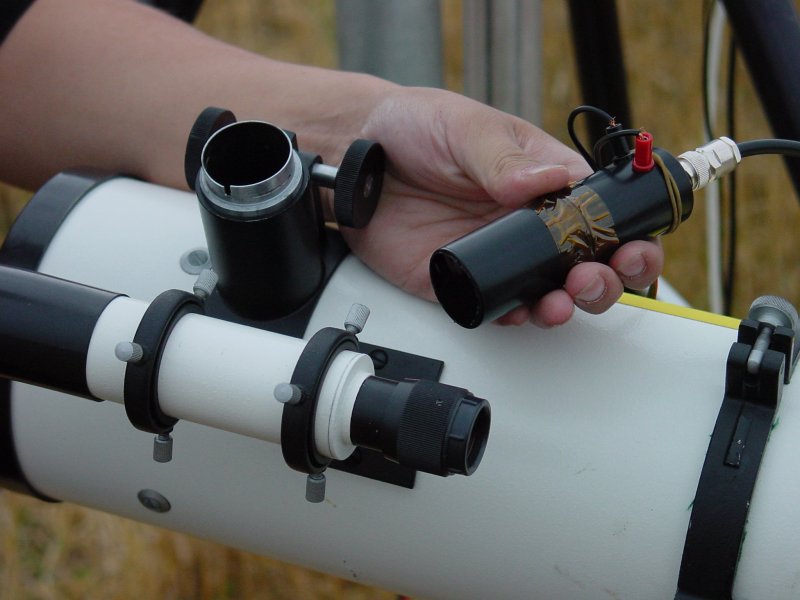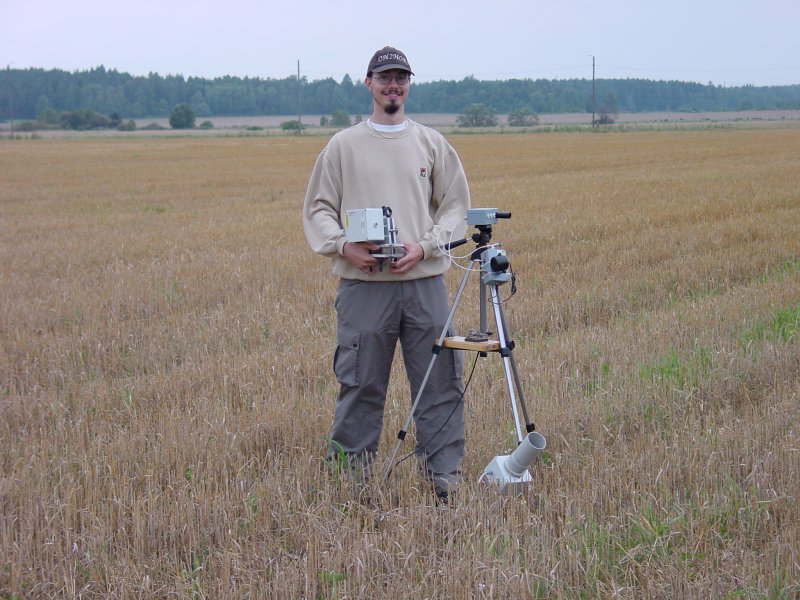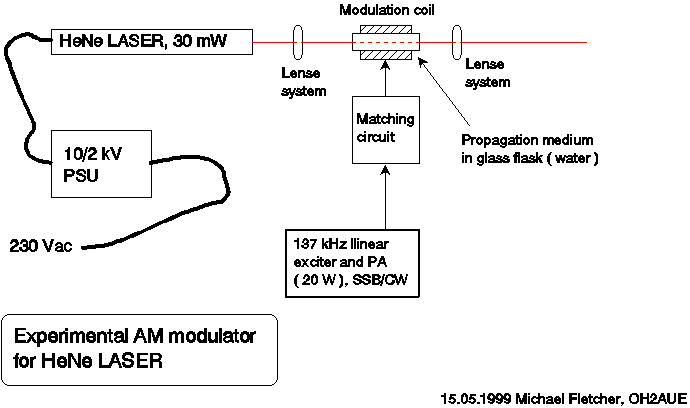
- an article (in Finnish) about FM-ATV over LASER experiments I did recently (now working on adding almost linear, digital NICAM sound too)
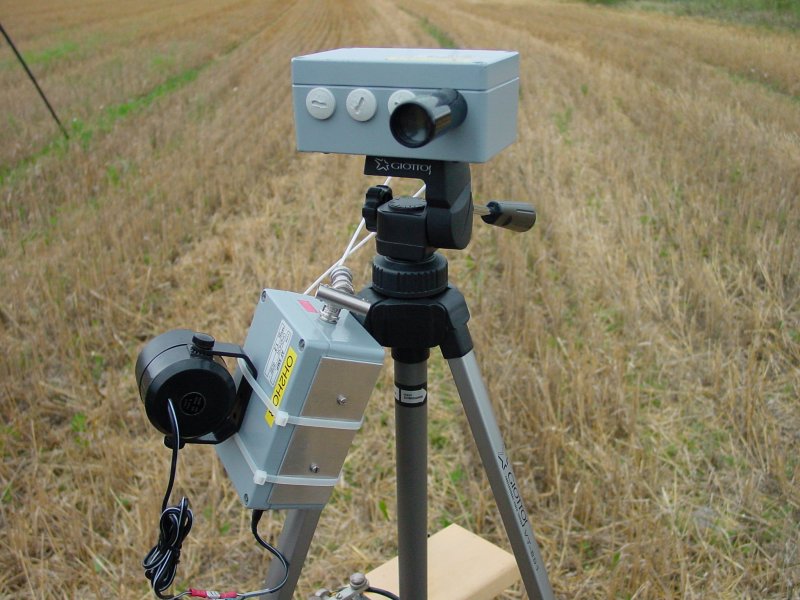
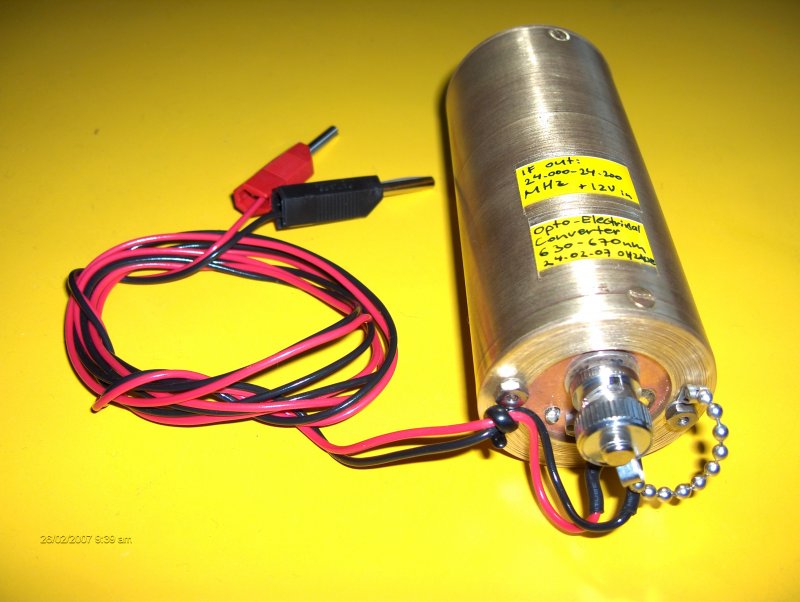
- 200 kHz wide optical receiver with 24 MHz HF IF for the FT817 radio (built for OH1JJC)
- rear view of the optical detector/converter with IF output and DC input
- also gave the man some gain to put ahead of this receiver for our over-the-horizon tests in the future using SSB/CW
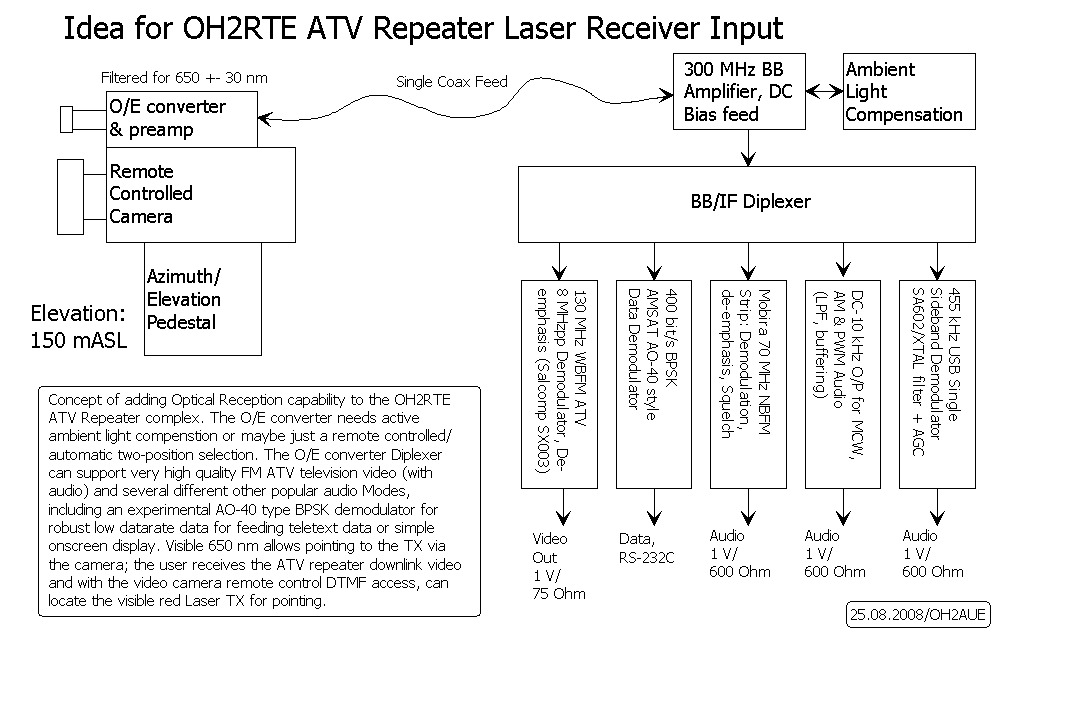
- had some ideas of adding an junkbox optical receiver (25k) to the OH2RTE Amateur Television Repeater of OH2HKE
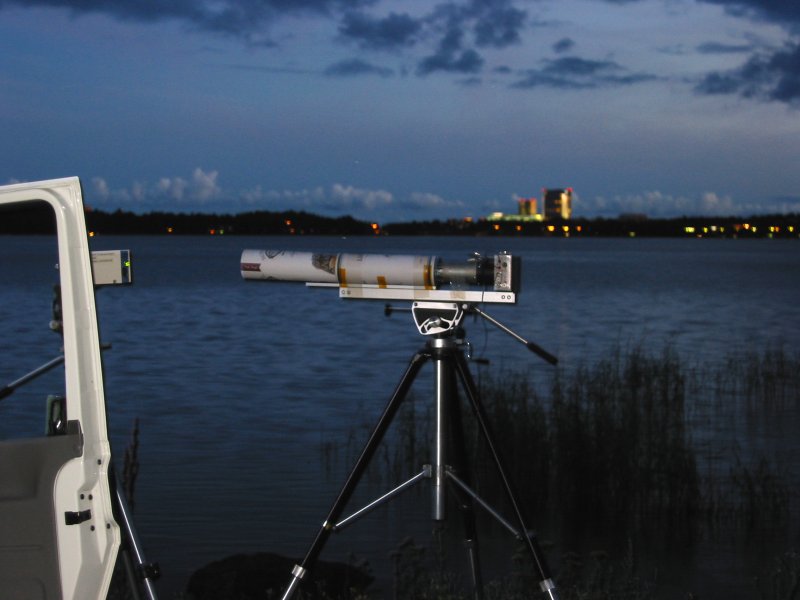
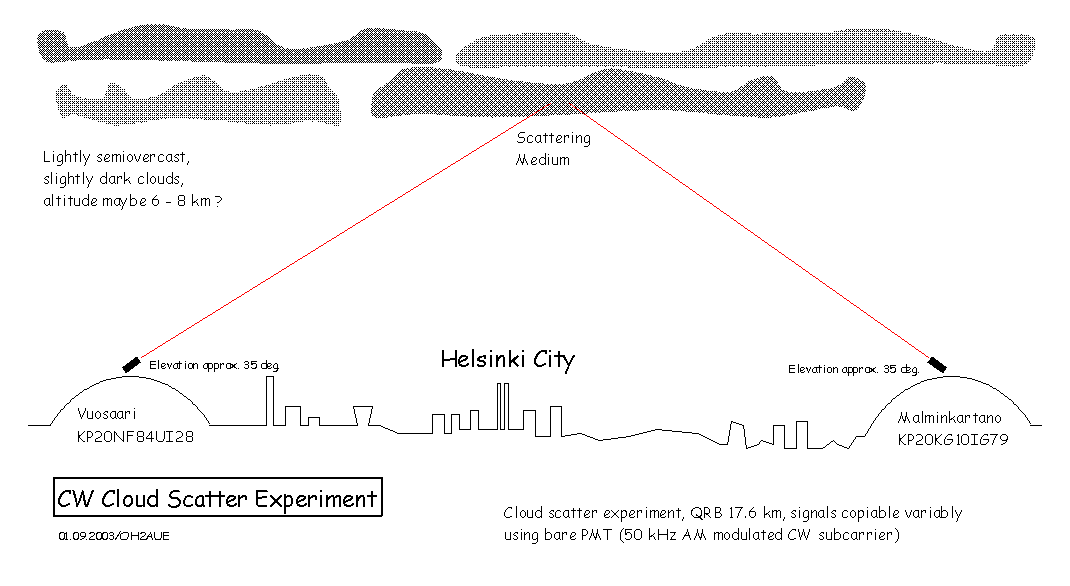
- see end of this page for Helsinki night time laser experiments (17.6 km)
- added JA1ATI optical communications experiments page
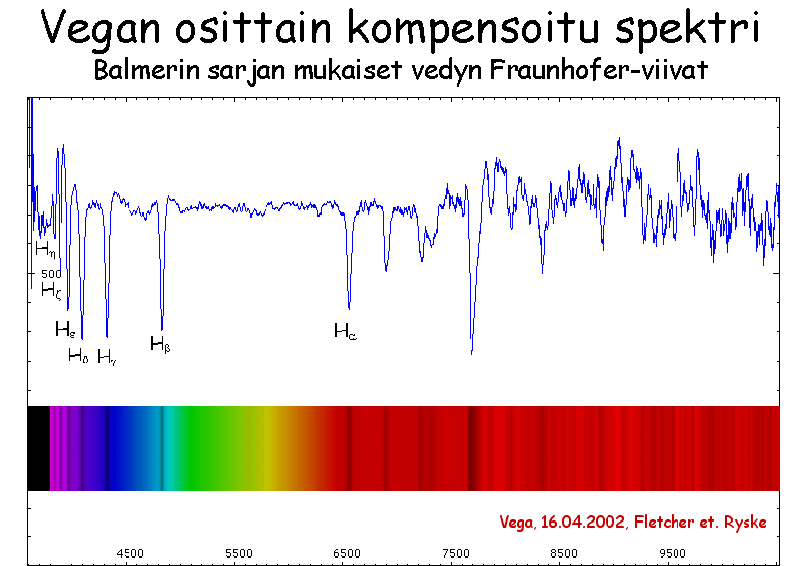
- astrospectrometry with Jorma Ryske (see Optical Projects for more): Vega
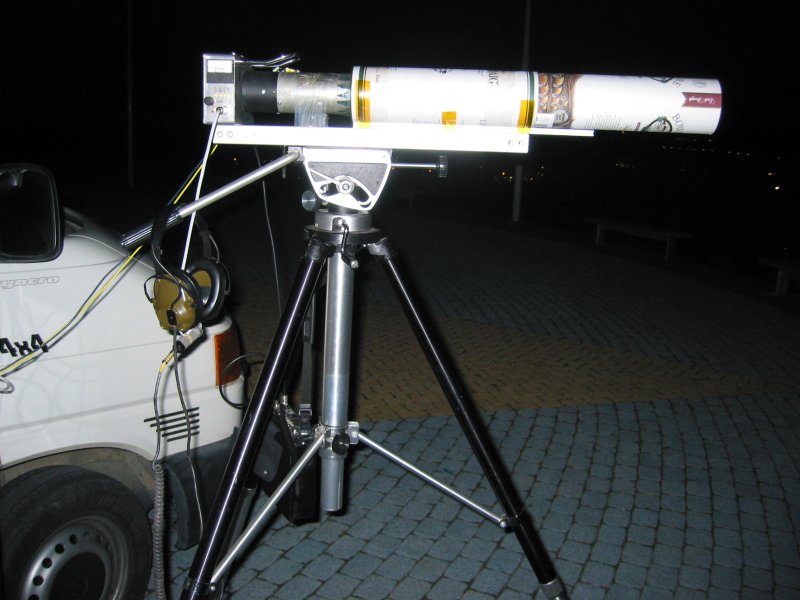
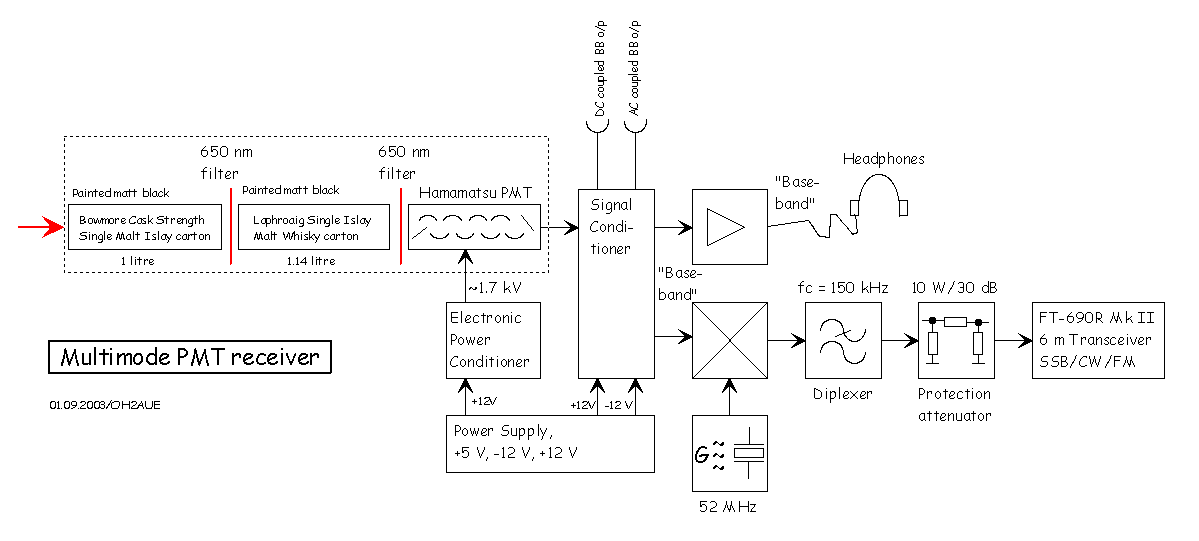
- a photomultiplier detector/receiver for experimenting with CW carriers (this page contains sound samples too !)
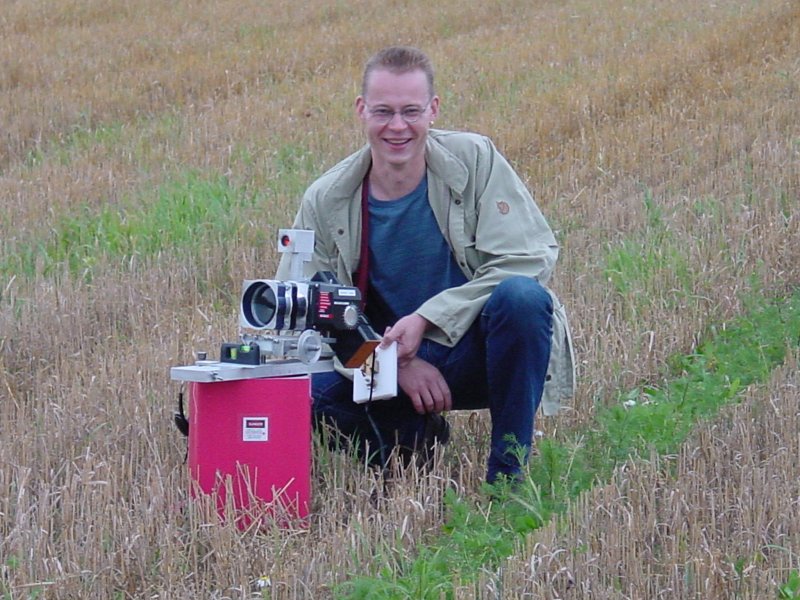
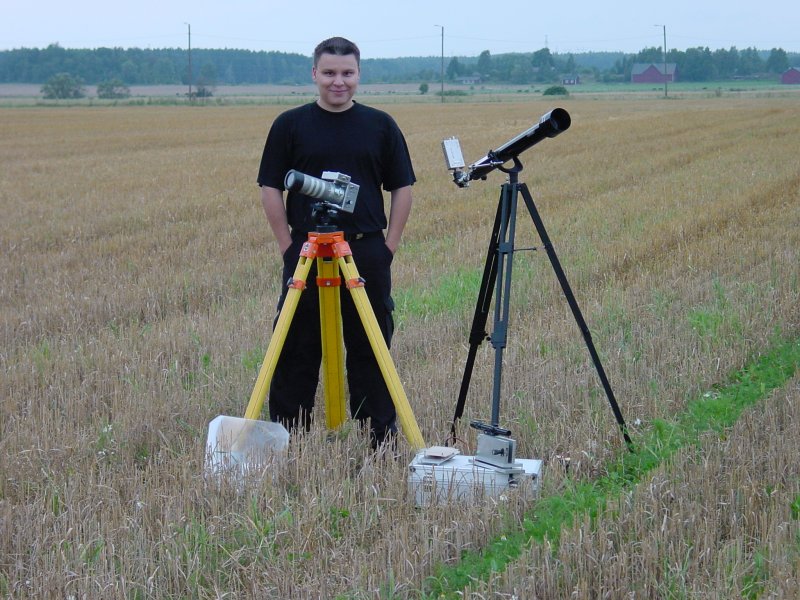
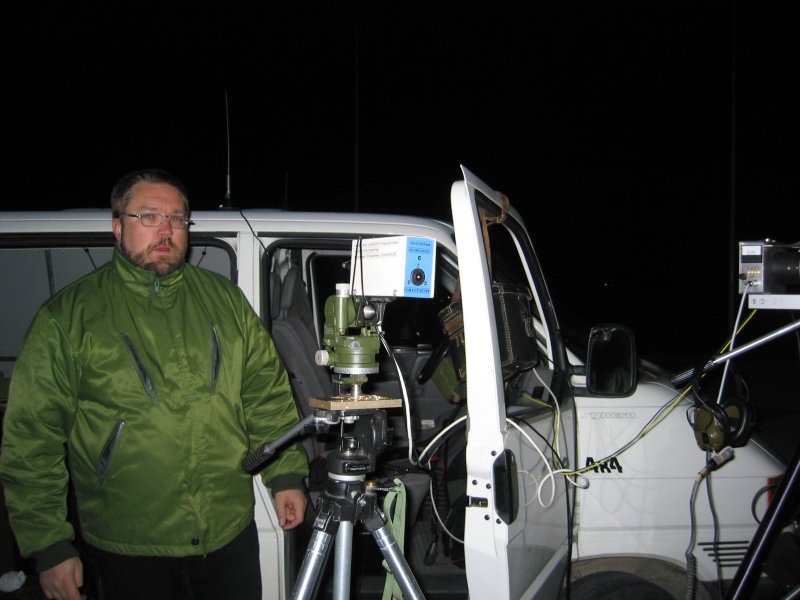
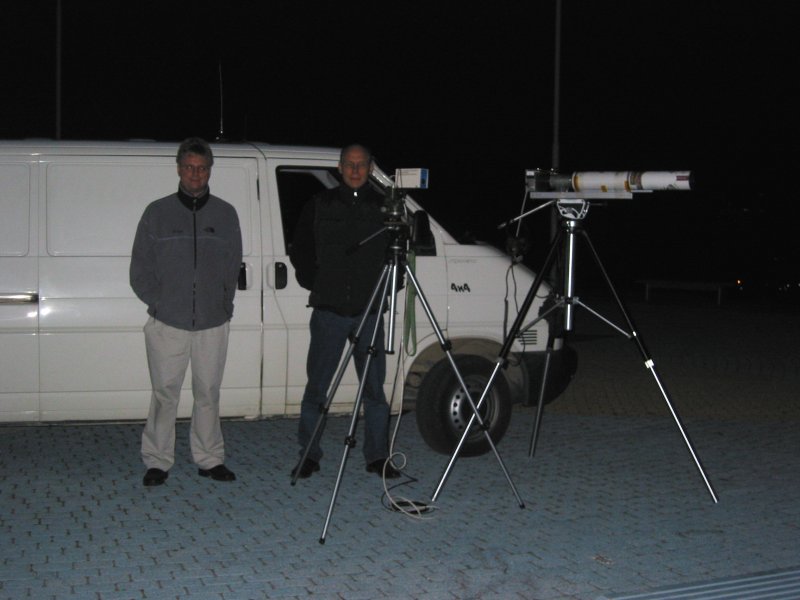
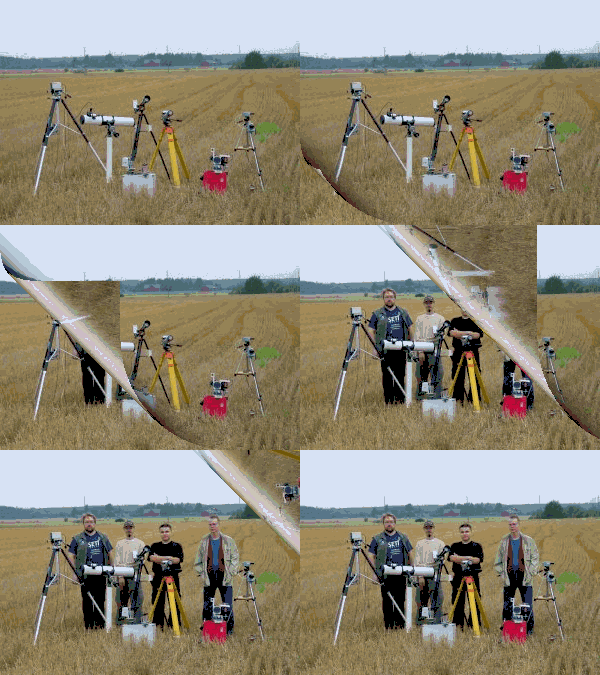
- a photo of my laser TRX (162k) setup during a test with OH2HOT/p
- you can see the red laser signal (7k) from OH2HOT/p in the top left segment of this photo
- a CW laser transceiver based on an article of Jim Moss
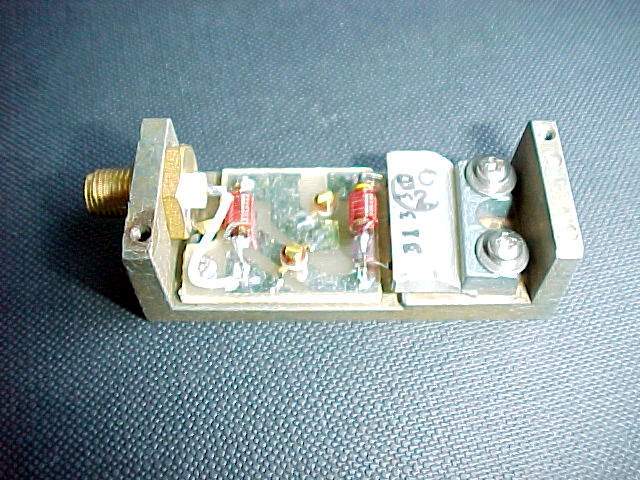
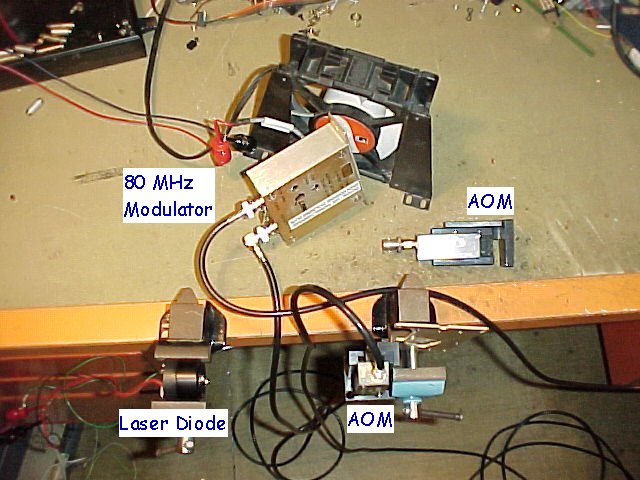
- experimenting for a 30 MHz bandwidth Acousto-Optic Spectrometer using a Lead Molybdate AOM on 80 MHz (67k)
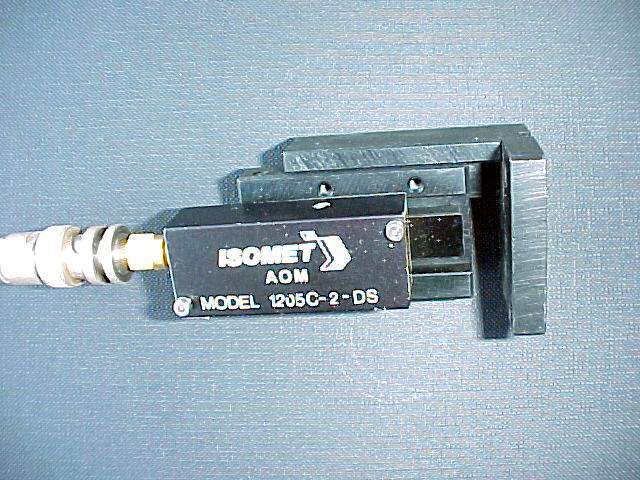
- this device (69k) is probably from a laser plotter and is manufactured by Isomet Corp.
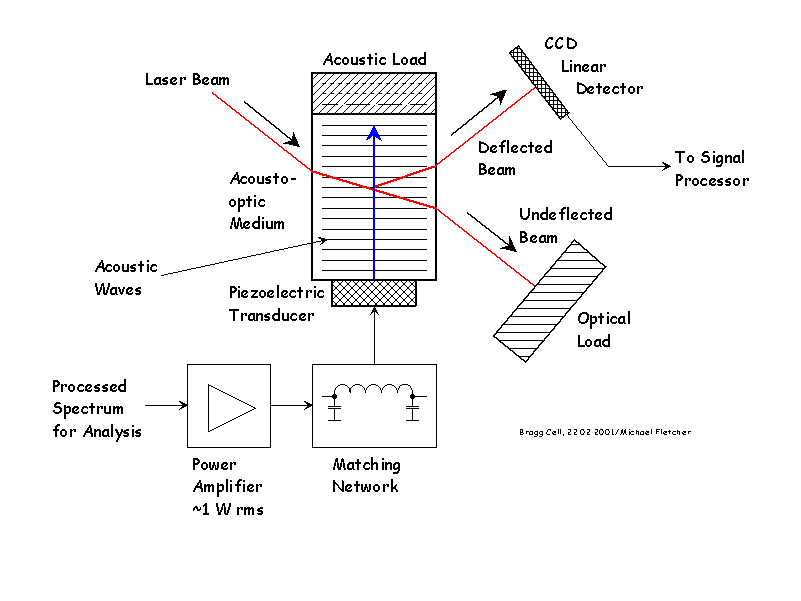
- the Bragg Cell (11k) with HeNe laser, RF amplifiers, mixers, attenuators and an optical detector forms the basis of the AOS
- here you can see how I did some simple testing (69k) on the Bragg based AOM using a laser diode
- a simple piece of black anodized aluminium profile acted as a load for the leakage (42k) signal (and IMD)
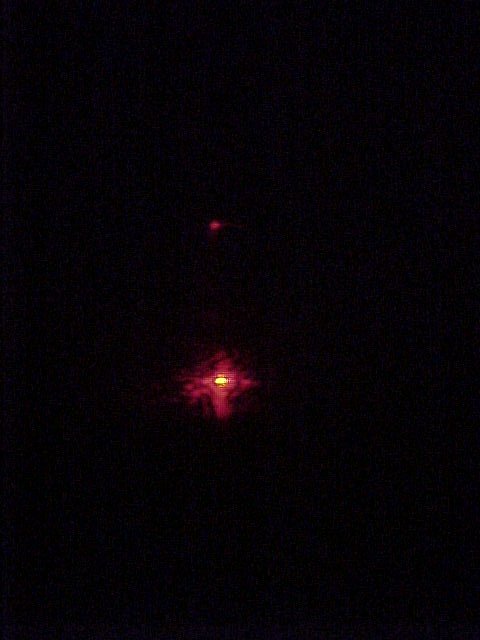
- this is the deflected laser (36k) spot (and IMD) with an 80 MHz carrier on the AOM Bragg cell
- a multimode ( SSB/FM/CW ) laser communication system. There are some photos here...
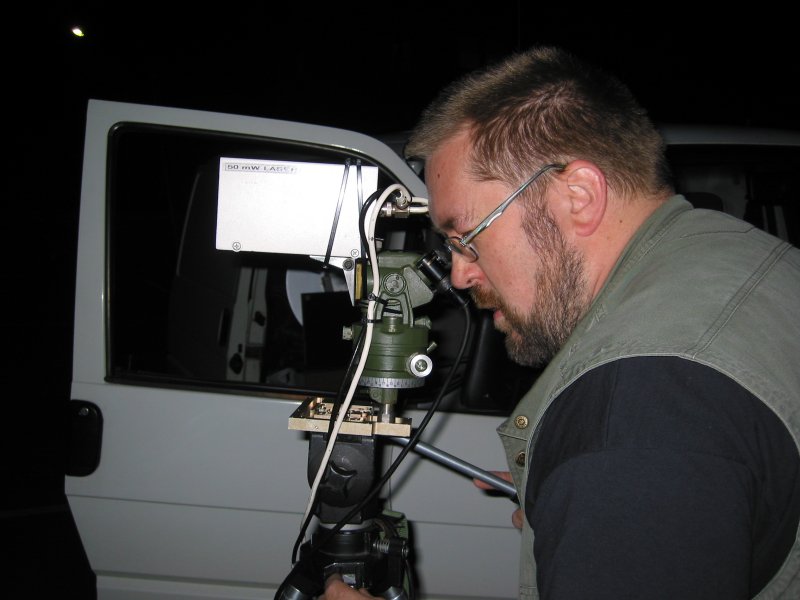
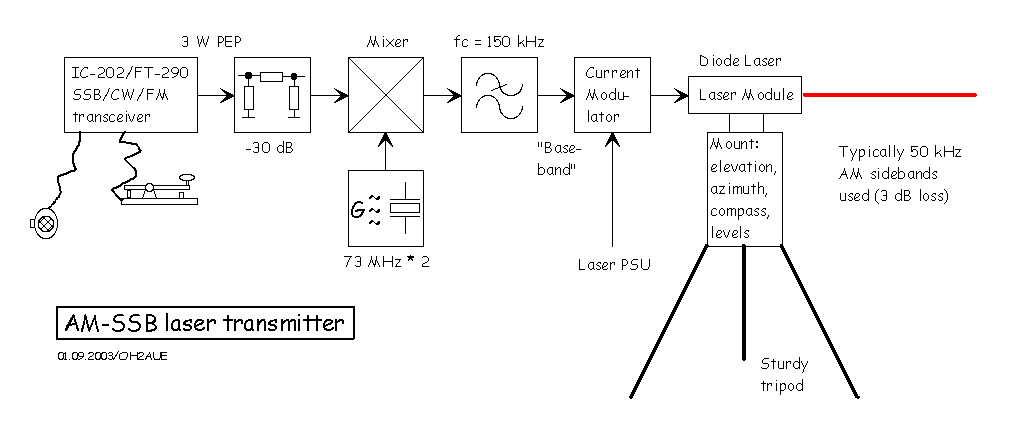
- a 50 mW SSB/FM/CW subcarrier laser transmitter on 650 nm
- fixture for my 10 mW HeNe laser to telescope for laser communications
- BIG file: notes on laser communications ( in Finnish )
- a chopper modulated 10 mW HeNe LASER transmitter used for MCW experiments
- idea for an Extreme ( 9k ) 137 kHz/474 THz rig ( Maybe the coil could be BPSK modulated directly ? )
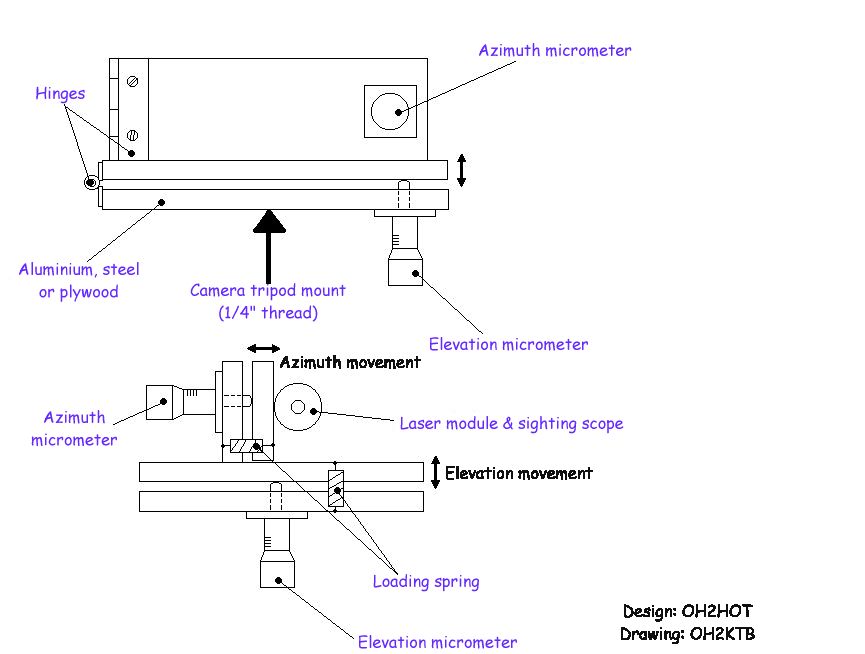
- here you can find a very neat & cheap mechanical solution for a pointing (20k) mechanism, by OH2HOT ;-)
- experimenting with a USB2000 spectrometer from Ocean Optics Inc.
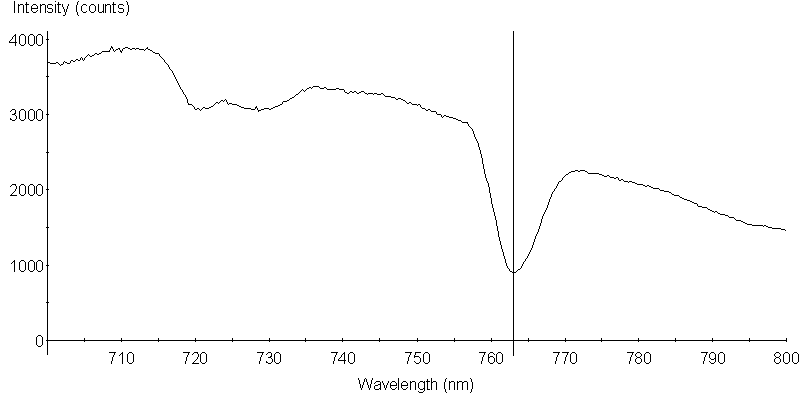
- the absorption of atmospheric oxygen (5k) at 764 nm
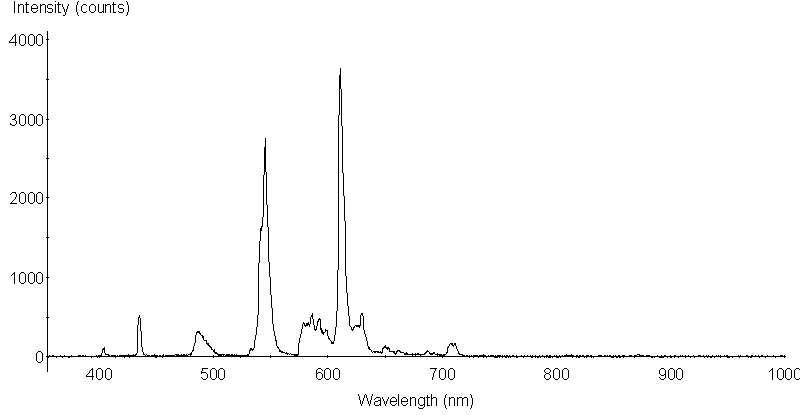
- optical spectrum of my fluorescent (5k) table lamp
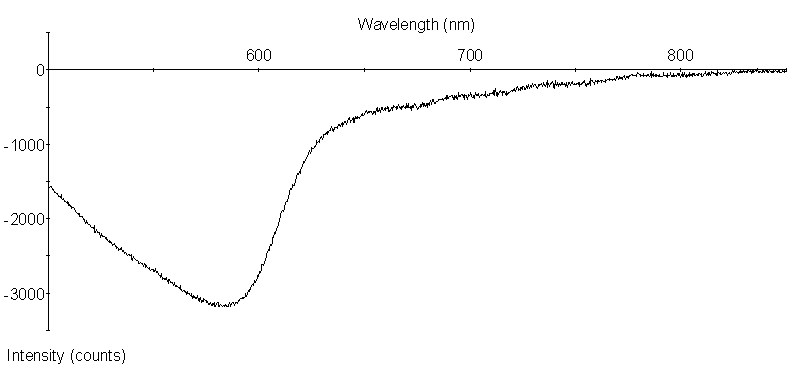
- the wavelength response of some 650 nm filter (5k) material I use for receiving
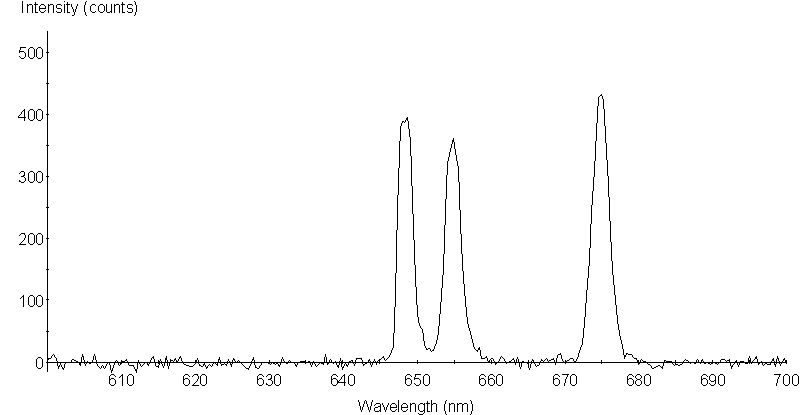
- here is a spectrometer plot (5k) of three different laser pointers, note the wavelength difference !
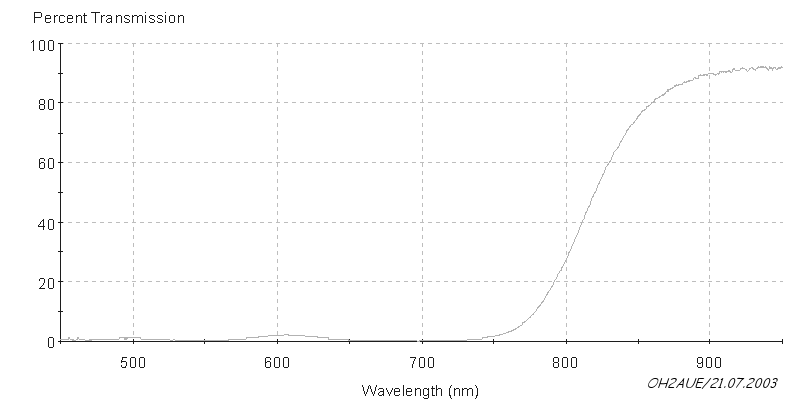
- the wavelength response of an IR filter (5k) I use, this time with sunlight (note the oxygen absorption line)
- cooling a laser diode by about 40 degrees decreased the wavelengh by over 10 nm
- and here you may find the interesting emission spectrum of my pocket white LED (5k) torch
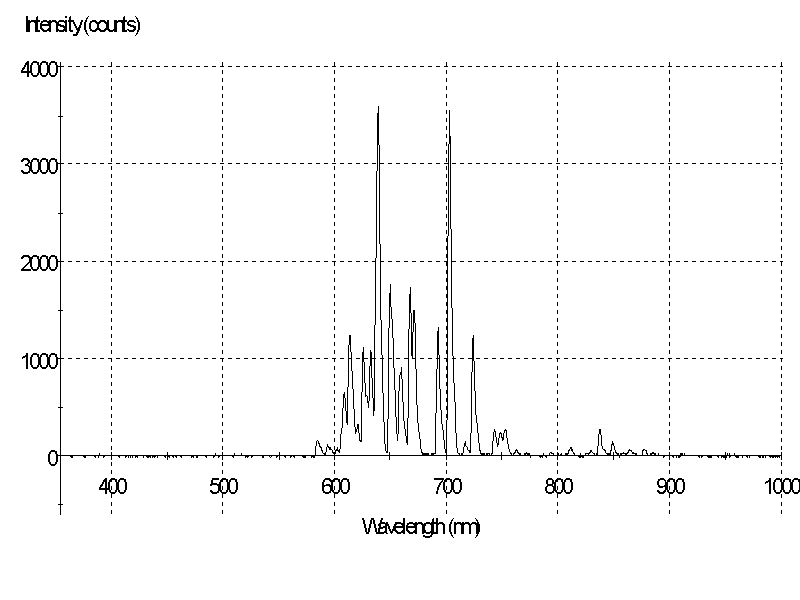
- more experimenting: this time with a neon (5k) marker ("glim") lamp (through a red plastic window)
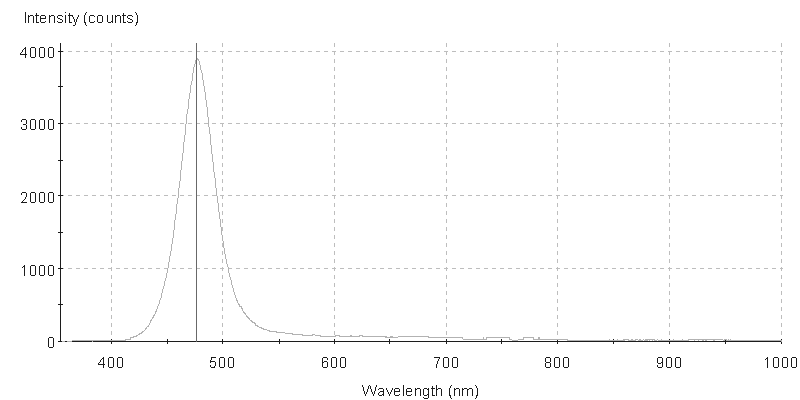
- a bright 2000 mcd blue LED (7k) spectrum peaking at 476 nm @ 25 degrees C ambient
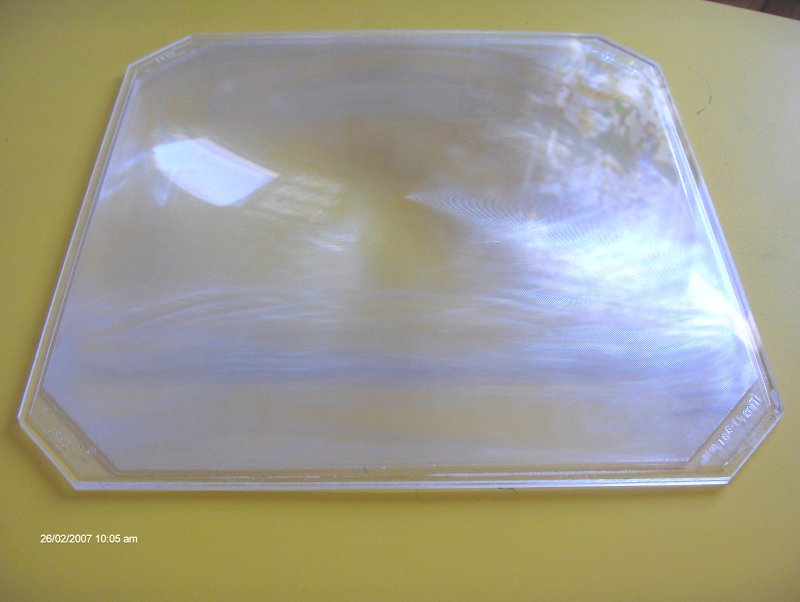
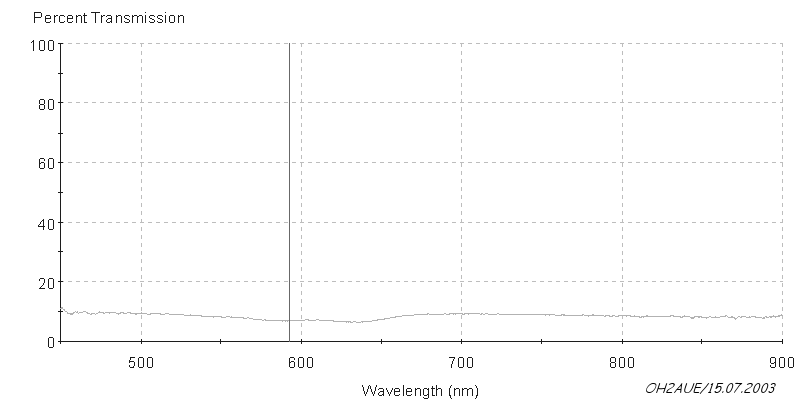
- some red filter (7k) material we use with our experimental laser comms systems
- the normalized (7k)diffuse white light source response after calibration for the previous measurement
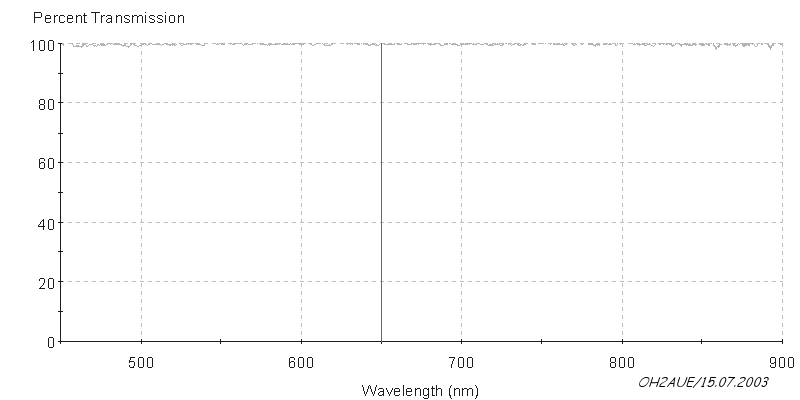
- an insertion loss (7k) measurement of exposed x-ray film used for a optical attenuator
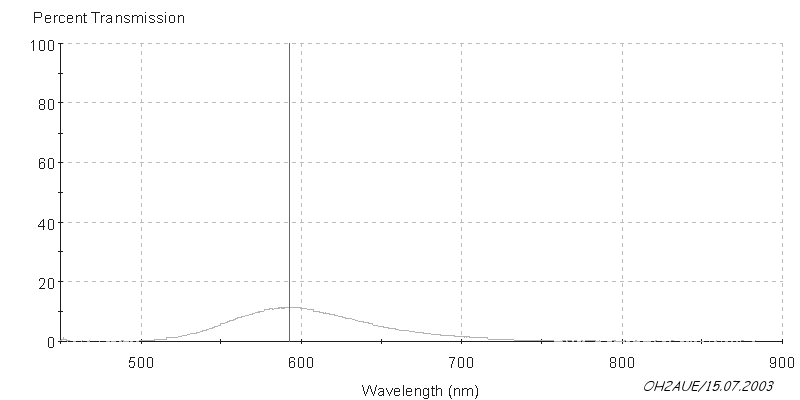
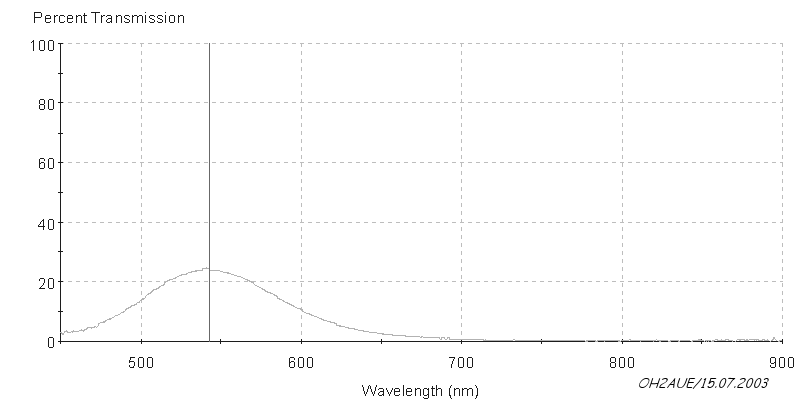
- measured response of a Thorn EMI tri-amber (7k) filter
- measured response of a Thorn EMI tri-green (7k) filter
- measured response of exposed/developed colour film negative (7k) (note: dangerous stuff for solar eclipse viewing !)
- astrospectrometry experimenting (Fraunhofer lines) is yielding first results: the Balmer series Hydrogen lines (67k) of Vega
- others logged with my amateur colleague Jorma Ryske: Jupiter, Capella, Arcturus, Gamma Leo, Mizar, Castor, Pollux
- the raw unprocessed data (1M) in Excel format
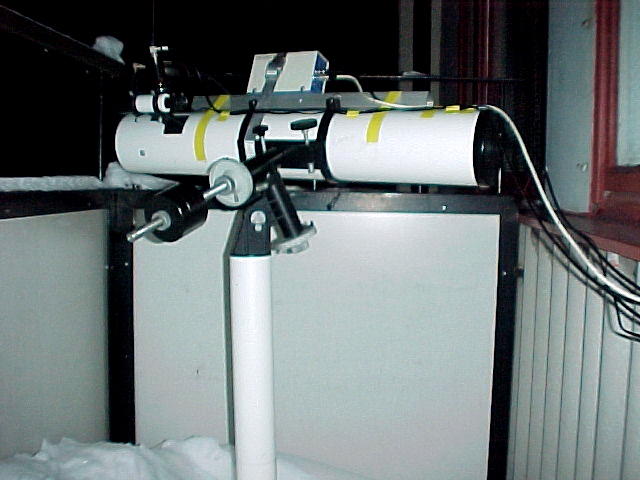
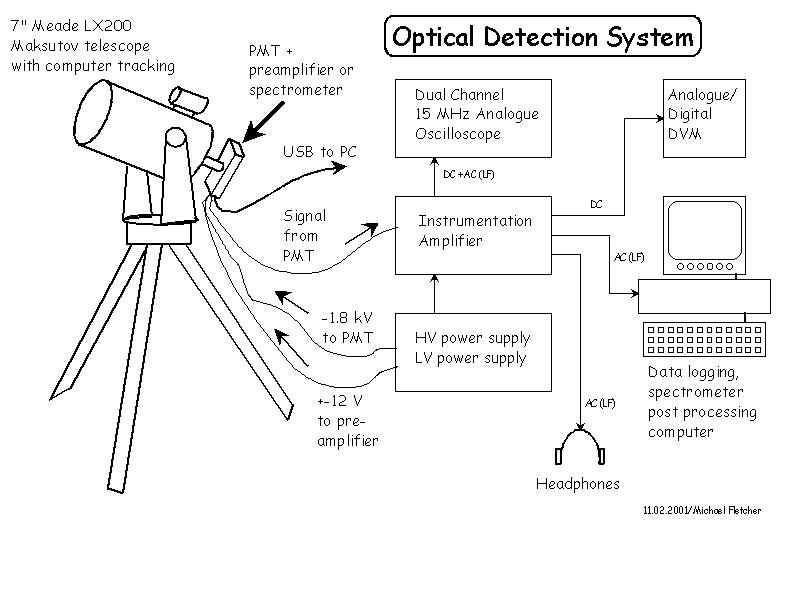
- equipment setup used (15k) for these experiments
- this system is also capable of tracking satellites, so we are waiting for the AO-40 810 nm telemetry laser to come on ;-)