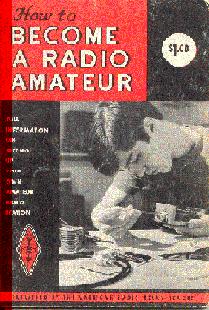
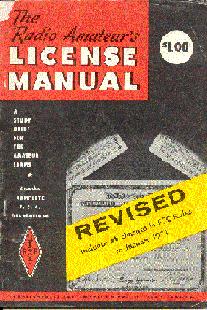
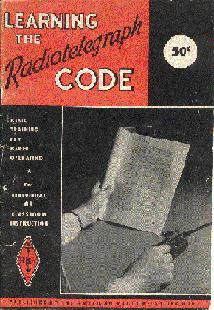
The manuals, pictured above, are still in my library and considered treasures. It is fascinating to look through them and get a small glimpse of HAM radio more than a quarter century ago. I pushed my interest far enough to attend a single meeting of the local amateur radio club, which put an extra spark to my desires (pun intended.)
Despite my excitement and interest in amateur radio as a hobby, I quickly came up against the obstacle that probably kept me away from HAM radio the longest…money. Ads in the manuals I now owned, and which I re-read hundreds of times, showed that even Heathkit's "LOW-COST GEAR FOR THE NOVICE AND BUDGET-MINDED" still required $100-$250 for a transceiver, amounts I could only dream of amassing, let alone spending on a hobby. The $2.50 for the guides I could manage, but even ten times that—-$25.00—was simply beyond my means of the time.
HAM radio remained something nagging at the back of my mind for another two decades as I completed my education and began my career and family. Whenever it came to mind I recognized it as something I wanted to do, but various factors were enough to stop me from really pursuing it further.
Some time in the first half of the 90's I chanced upon a couple colleagues talking about their own HAM interests and I quickly joined the discussion. Like me, both of them were long-time HAM wannabes. We talked about possibly studying together, and one of them mentioned to me that the excellent training manual, "Now You're Talking" was available at local Radio Shack outlets. I purchased a copy and once again immersed myself in the daydreams of a HAM radio future.
Some time in late 1996 or early 1997 I noticed that the test questions in my copy of "Now You're Talking" were due to expire in mid-97. Combined with that, I was far enough along in my career to feel I could at least handle a couple hundred dollars for an HT, meaning that if I finally earned my license I could actually afford to buy a radio and become a participating HAM. At last I had the motivation to push just hard enough.
I began studying the questions for the Novice and Tech exams, and studying code, using various software programs downloaded from the Internet. I explored HAM radio links on the World Wide Web and generally kept the fires of interest stoked. As the summer of 1997 rolled in, I missed the test deadline for the questions I had studied so hard, but this time I wasn't to be denied. I pulled down the new questions from the ARRL web site, and kept right on studying.
By the end of 1997 I was feeling ready. My kids were helping me study the questions. My dad gave me an old HT so I could hear how the 2M band was used in my area, and I identified various dates and places in the region where I could take the licensing tests. On December 19, 1997, I took and passed the Novice and Tech exams. I tried the code, at 5 wpm, but missed passing by a single question. Nonetheless, I left the building that night about as excited as I had been in years. Thirty years after first feeling the pull toward the HAM hobby, I had finally earned an Amateur Radio license!
Ham radio has been a good part of my life in the almost six years since I earned my license. I passed the code test and became a tech plus. I bought a HF rig and made SSB phone contacts to several states and, what was really exciting, contacts using Morse code. When license resturcturing was implemented, I upgraded to General, keeping my original call sign of KC7ZWE. Using my ham status, I've assisted communications at community events and am a regular part of my area's emergency communication network. One of the biggest thrills for me as a ham was the day my son earned his license and became KD7UBF. He and I have used ham radio to communicate between the home and on the road ever since.
What does the future hold for me in amateur radio? Maybe a tower? Stay tuned.