|
|
|
|
|
|
|
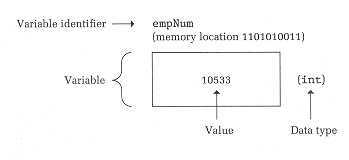
Figure 2-2
Variable identifier (r) empNum |
|
|
|
|
|
|
|
|
Declaring a variable means specifying both its name and its data type. This tells the compiler to associate a name with a memory location whose contents are of a specific type (for example, int, float, or char). The following statement declares empNum to be a variable of type int: |
|
|
|
|
|
|
|
|
In C++ a variable can contain only data values of the type specified in its declaration. Because of the above declaration, the variable empNum can contain only int values. If the C++ compiler comes across an instruction that tries to store a float value into empNum, it generates extra instructions to convert the float value to an int. In Chapter 3, we examine how these conversions take place. |
|
|
|
|
|
|
|
|
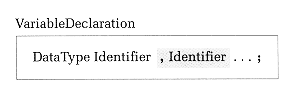
Here's the syntax template for a variable declaration: |
|
|
|
|
|
|
|
|
where DataType is the name of a data type such as int, float, or char. Notice that a declaration always ends with a semicolon. |
|
|
|
|
|
|
|
|
From the syntax template, you can see that it is possible to declare several variables in one statement: |
|
|
|
|
|
|
|
|
int studentCount, maxScore, sumOfScores; |
|
|
|
|
|
|
|
|
Here, all three variables are declared to be int variables. Our preference, though, is to declare each variable with a separate statement: |
|
|
|
|
|
|
|
|
int studentCount;
int maxScore;
int sumOfScores; |
|
|
|
|
|